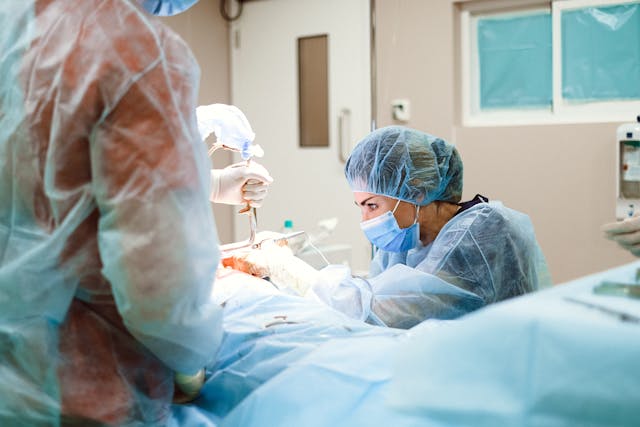
When to Think About Going to a Hip Surgeon
One of the most important joints in the body is the hip. It supports weight, lets you move, and keeps you stable. But with time, whether because of an injury or a medical condition, the hip joint can hurt or not move as well. If you still have pain after trying physiotherapy, medication, or changing your lifestyle, it might be time to see a hip surgeon.
Hip specialists look at each patient’s condition and provide a treatment strategy. This plan may or may not include surgery. In a lot of cases, getting help early can keep you moving and stop your joints from getting worse. Melbourne citizens who have access to skilled orthopaedic care have better outcomes and heal faster when they need surgery.
What a Hip Surgeon Melbourne Specialist Can Do for You
Picking a Hip Surgeon Melbourne has a lot of doctors and other medical professionals that are quite good at finding and fixing hip problems. These surgeons are good at both traditional and less invasive methods. They can do things like:
Complete hip replacement
Resurfacing of the hip
Surgery on the hip with an arthroscope
Fixing labral rips
How to treat femoroacetabular impingement (FAI)
Taking care of hip dysplasia or arthritis
Hip surgeons in Melbourne work in both public and private hospitals and provide care that is specific to your age, activity level, and medical history. The surgeon’s goal will be to restore comfort and function, whether you are an elderly person with osteoarthritis or a younger athlete with a sports injury.

Knowing about common hip problems and the surgeries that can help
Age-related wear, injuries, congenital abnormalities, or doing the same activity over and over again can all create hip problems. Hip surgeons often fix several kinds of problems:
Osteoarthritis or rheumatoid arthritis leading to cartilage degradation.
Labral tears are when the delicate cartilage that lines the hip socket becomes injured.
Hip impingement is when the ball and socket joint touch each other in an unusual way.
Hip fractures, particularly in the elderly
Dysplasia and other congenital hip problems
If non-surgical treatment doesn’t work, surgery may be the best thing to do. For example, total hip replacement entails putting artificial implants in place of damaged joint surfaces. This relieves pain and restores movement. Arthroscopy, on the other hand, fixes damage to the inside of joints with small tools and a camera, causing as little damage as possible to nearby tissues.

After hip surgery, recovery and rehabilitation
There is more to recovering after hip surgery than just the operation itself. Melbourne’s hip surgeons give their patients extensive aftercare regimens that involve physiotherapy, help at home, and slowly getting back to normal activities. Managing pain, using assistive devices to improve mobility, and starting mild workouts are usually the main goals during the first few weeks.
Some things that might be part of a rehabilitation program are:
Physiotherapy sessions with supervision
Relearning how to walk and move
Exercises that make your muscles stronger
Stretching and hydrotherapy
Regular follow-up appointments
For a lot of patients, important steps in their recovery are being able to walk without help, going back to work, or getting back to their hobbies. Some people may be able to do light activities again in six weeks, while others may need a few months, depending on the type of operation and their own health.
Surgeons in Melbourne use modern surgical methods that often result in shorter hospital stays and improved long-term outcomes. Patients say that after surgery, they are much better able to walk about freely, sleep well, and live a more active life.